
The Ultimate Guide to Marine Spar Varnish: Protection That Actually Lasts
![[HERO] The Ultimate Guide to Marine Spar Varnish: Protection That Actually Lasts](https://cdn.marblism.com/uvH_JnABjCF.webp)
Your boat's woodwork faces a daily battle against the elements. Sun, salt spray, humidity, and temperature swings all work together to break down unprotected wood surfaces. Without the right protection, that beautiful teak trim or mahogany accent can quickly turn gray, cracked, and weathered.
That's where marine spar varnish comes in. This specialized coating has been protecting boats for generations: and for good reason. It's specifically engineered to handle the harsh conditions that would destroy ordinary finishes in a matter of weeks.
In this guide, you'll learn exactly what makes marine varnish different, how to choose the best marine varnishes for your needs, and how to apply them for maximum protection that actually lasts.
What Is Marine Spar Varnish?
The term "spar varnish" traces back to the sailing days when it was used to protect the spars: masts, booms, and support poles: of wooden vessels. These components faced constant exposure to sun, wind, rain, and salt water, so they needed a finish tough enough to withstand it all.
Modern marine spar varnish builds on that legacy with advanced formulations designed for today's boats. Unlike regular interior varnish, which becomes brittle and cracks when exposed to outdoor conditions, spar varnish uses a higher oil-to-resin ratio that creates a softer, more flexible finish.
This flexibility is key. Wood naturally expands and contracts as temperature and humidity levels change throughout the day and across seasons. A rigid finish would crack under this movement. Marine spar varnish moves with the wood, maintaining its protective seal even as the substrate shifts beneath it.
Why Regular Varnish Won't Cut It on Your Boat
You might be tempted to grab a can of standard varnish from the hardware store to touch up your boat's woodwork. It's cheaper, after all. But here's the reality: regular varnish simply isn't built for marine environments.
Standard varnishes lack the UV inhibitors that protect against sun damage. Within weeks of outdoor exposure, they begin to break down, turning cloudy, yellowing, or peeling away entirely. The wood underneath then becomes vulnerable to moisture infiltration, leading to swelling, warping, and eventually rot.
Boat wood varnish formulations include several protective features that regular varnish doesn't offer:
- UV blockers that shield both the finish and the wood from sun damage
- Flexible resins that accommodate wood movement without cracking
- Moisture barriers that prevent water from penetrating the wood fibers
- Fungicides in some formulations to prevent mold and mildew growth
These additions make marine varnish significantly more expensive than standard options: but they also make it last far longer in demanding conditions.
Key Benefits of Marine Spar Varnish
Understanding the core protective qualities of varnish for boats helps you appreciate why it's worth the investment. Here's what quality marine varnish actually does for your woodwork.
UV Protection
Ultraviolet rays are one of the biggest threats to outdoor wood finishes. They break down the molecular structure of both the varnish and the wood itself, causing fading, discoloration, and eventual failure of the coating.
Marine spar varnish contains UV inhibitors that absorb and deflect harmful rays before they can cause damage. This protection extends the life of the finish and preserves the rich color of the wood beneath it.
Moisture Resistance
Water is wood's natural enemy. When moisture penetrates wood fibers, it causes swelling, warping, and creates the perfect environment for rot and mildew to take hold.
Marine clear varnish creates a waterproof barrier that keeps moisture out. Properly applied with multiple coats: especially on vulnerable end grains: this barrier remains effective even with constant exposure to splashes, rain, and high humidity.
Flexibility and Durability
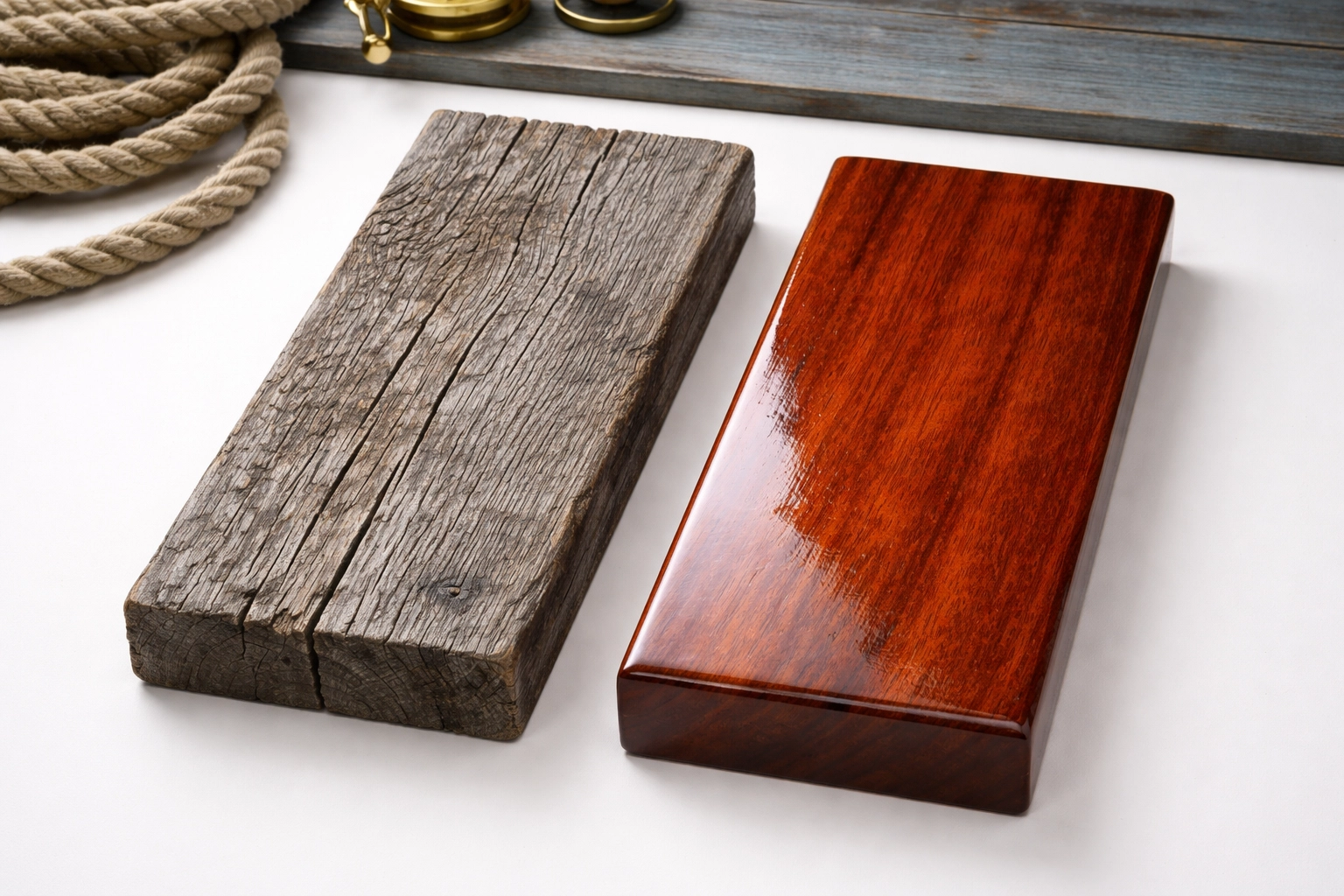
The higher oil content in marine spar varnish allows the finish to flex with the wood as it expands and contracts. This adaptability prevents the cracking and peeling that plague rigid finishes in outdoor applications.
This flexibility also means the finish wears gradually rather than failing suddenly. You'll notice when it's time for maintenance coats, giving you the opportunity to refresh the protection before any real damage occurs to the underlying wood.
Enhanced Appearance
Beyond protection, quality marine varnish enhances the natural beauty of your boat's woodwork. Available in gloss, semi-gloss, and satin finishes, it deepens wood grain patterns and brings out rich, warm tones that make your boat look its best.
How to Choose the Best Marine Varnish
Not all marine varnish products are created equal. Here's what to consider when selecting the right product for your boat.
Oil-Based vs. Water-Based
Traditional oil-based marine varnishes offer superior durability and a deeper, richer finish. They penetrate wood more effectively and generally provide better UV protection. However, they take longer to dry and require mineral spirits for cleanup.
Water-based marine varnishes dry faster and clean up with soap and water. They've improved significantly in recent years, but most professionals still prefer oil-based formulations for maximum protection in harsh marine environments.
Gloss Level
The sheen you choose affects both appearance and maintenance:
- High gloss provides maximum UV protection and makes wood grain pop, but shows imperfections more readily
- Semi-gloss offers a good balance of protection and forgiveness
- Satin provides a more subtle, natural look with lower maintenance visibility
Application Method
Some marine varnishes are formulated specifically for brush application, while others work well with spray systems. If you're applying varnish yourself, look for products designed for brush application with good self-leveling properties to minimize brush marks.
Application Tips for Long-Lasting Results
Even the best marine varnishes won't perform well if applied incorrectly. Follow these guidelines for professional-quality results.
Surface Preparation
Proper prep is crucial. The wood must be clean, dry, and free of any contaminants. Sand the surface with progressively finer grits, finishing with 220-grit sandpaper. Remove all dust with a tack cloth before applying varnish.
If you're refinishing previously varnished wood, assess the existing finish. If it's in good condition, a light sanding and fresh coats may be all you need. If the old varnish is peeling or damaged, strip it completely before starting fresh.
Application Technique
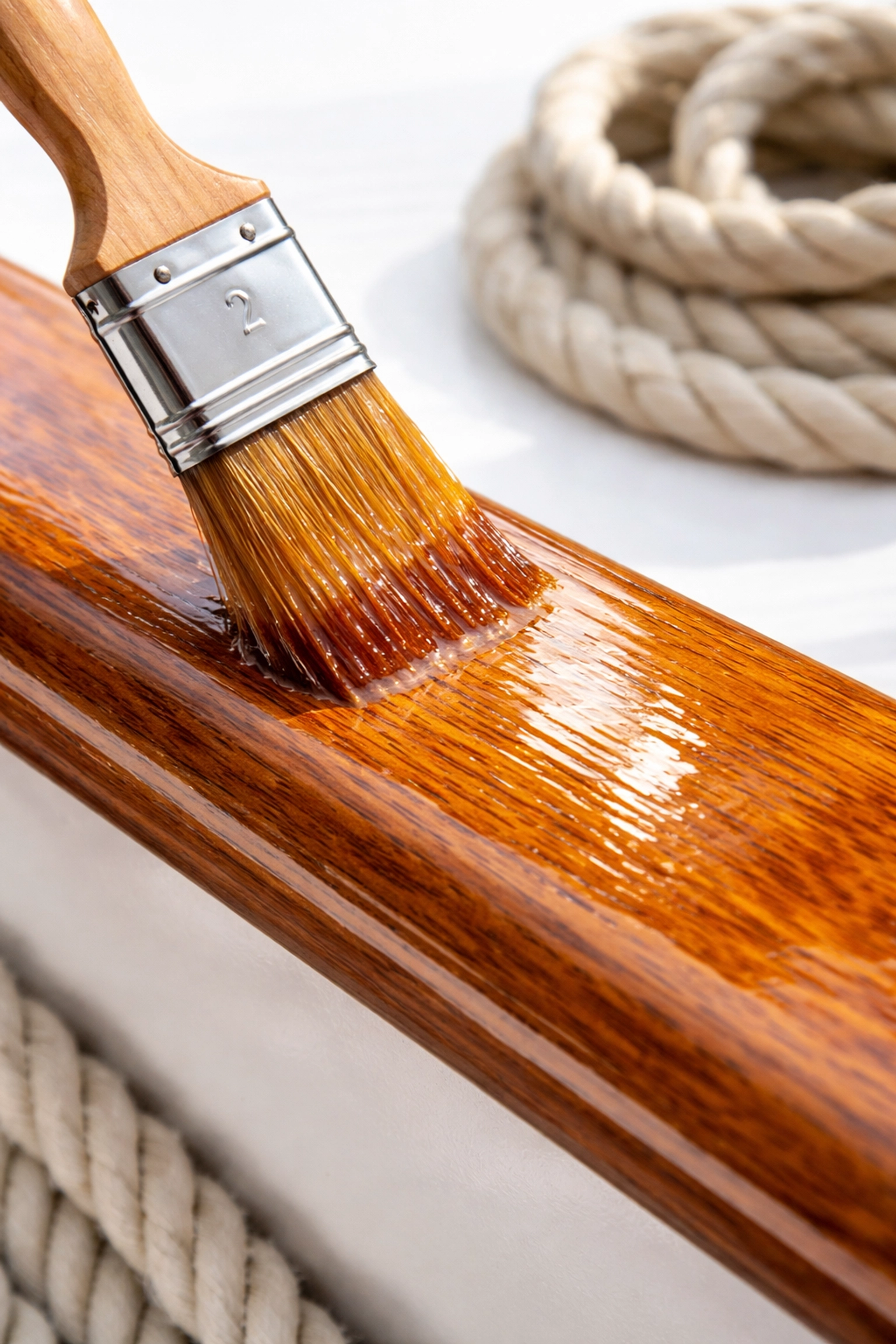
Apply marine spar varnish with a high-quality natural bristle brush. Work in thin, even coats rather than thick, heavy applications. Thick coats take longer to dry and are more prone to runs, drips, and premature failure.
Most manufacturers recommend at least three to four coats for adequate protection, with light sanding between each coat. Pay special attention to end grains, which absorb moisture more readily and benefit from additional coats.
Environmental Conditions
Temperature and humidity significantly affect varnish application. Most products perform best between 50°F and 90°F with low to moderate humidity. Avoid applying varnish in direct sunlight, which can cause the finish to dry too quickly and create bubbles or brush marks.
Early morning or late afternoon typically offers the best conditions for varnishing.
Maintenance and Reapplication
Marine spar varnish isn't a one-and-done solution. The UV inhibitors gradually deplete over time, and the finish slowly wears with exposure to the elements. Regular maintenance extends the life of both the finish and the wood.
Plan to apply a fresh maintenance coat every six to twelve months, depending on your boat's exposure level. This refresh restores UV protection and reinforces the moisture barrier before any significant breakdown occurs.
Between applications, keep varnished surfaces clean by washing with fresh water and mild soap. Avoid harsh chemicals or abrasive cleaners that can damage the finish.
Protect Your Investment
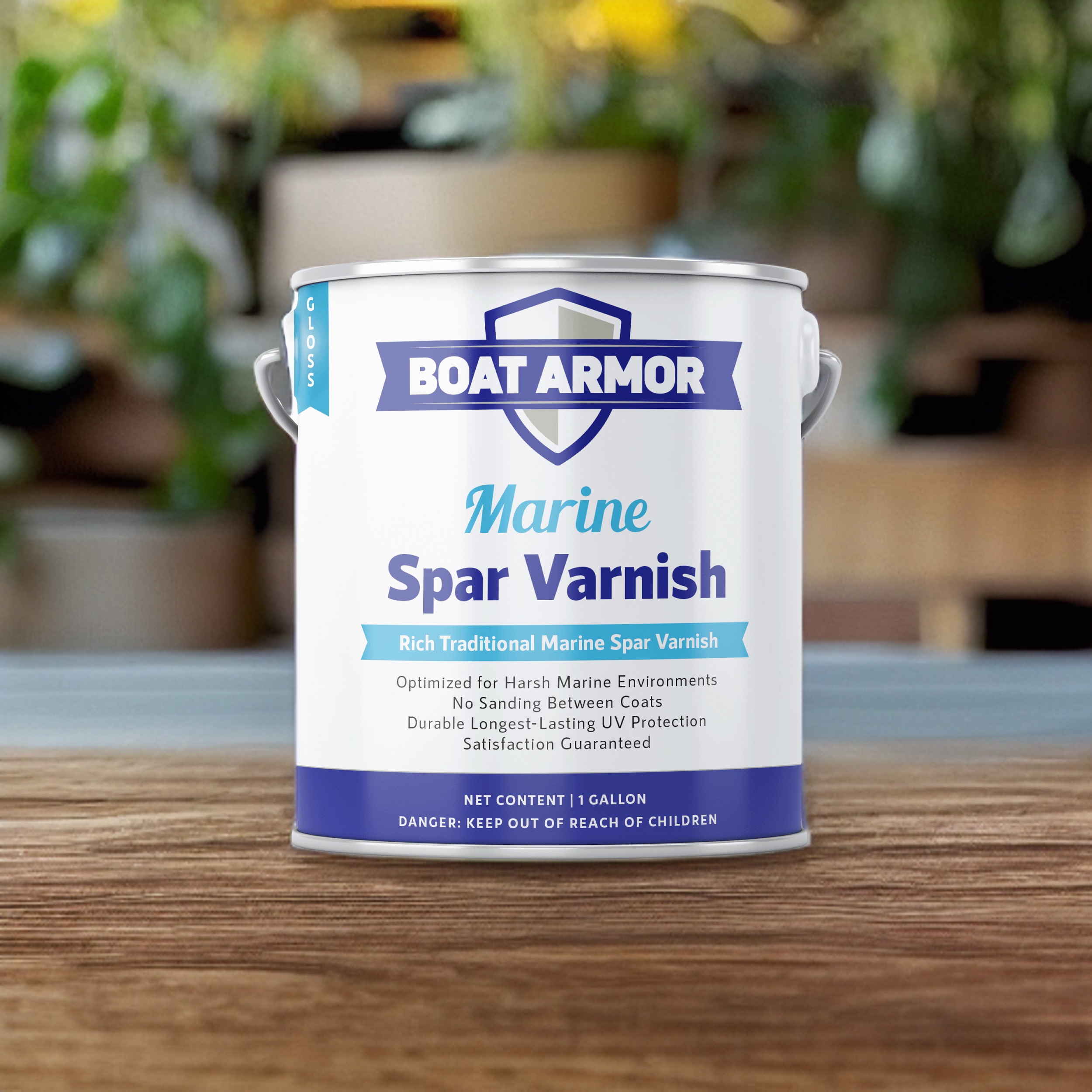
Your boat represents a significant investment of money, time, and passion. Boat Armor Marine Spar Varnish protects that investment by keeping your woodwork beautiful and structurally sound for years to come.
The key is choosing the right product for your needs and taking the time to apply it properly. With good preparation, proper technique, and regular maintenance, your varnished surfaces will continue to turn heads at the marina season after season.
Ready to give your boat the protection it deserves? Check out our complete guide to protecting your new boat for more tips on maintaining your vessel's appearance and value.